

July 14, 2026
Starting University with DSA Support: What to Expect and How to Get the Most From Your Tools

The Letter Has Arrived. Now What?
If you’ve recently had a DSA needs assessment, you might be sitting with a list of recommended tools and support wondering what on earth happens next. It’s a lot to take in – especially when you’re already thinking about accommodation, freshers’ week, and whether you’ve packed enough LED strip lights.
The good news is that the hard part is largely behind you. Getting assessed is the bit most students find daunting. Everything that follows is just logistics, and we can help walk you through it.
What is DSA, and Why Does it Exist?
DSA stands for Disabled Students’ Allowance. It’s a UK Government scheme that provides funding for students in higher education who need additional support due to a disability, long-term health condition, or specific learning difference like ADHD, dyslexia, or autism.
It’s worth saying clearly: DSA isn’t charity, and it isn’t a favour. It exists because the Government recognises that some students need different tools and support to access the same standard of education as everyone else. If you’ve been assessed and recommended support, you’re entitled to it. There’s no catch, and there’s nothing to feel awkward about.
The support available through DSA varies depending on your individual needs, but it commonly covers specialist software, assistive technology, non-medical helpers, and in some cases specialist equipment. Your needs assessment will have outlined exactly what’s been recommended for you.

What Happens After Your Assessment?
This is the bit that catches a lot of students out: there’s a gap between your assessment and actually having your support in place, and it’s worth knowing about it in advance rather than discovering it mid-October when deadlines are already looming.
Once your assessment report has been submitted, your funding body – usually Student Finance England, or the equivalent in Scotland, Wales, or Northern Ireland – will review the recommendations and send you a funding confirmation letter. This can take a few weeks, so if you haven’t heard anything and September is approaching, it’s worth chasing.
Once your funding is confirmed, you’ll receive details of how to access your recommended software and equipment. For software like Ayoa, this typically means receiving a unique link with a redemption code that activates your account. If anything goes wrong at this stage, your university’s disability services team should be your first call . It’s not something to sit on and hope resolves itself.
Getting to Know Your Tools Before Term Starts
Here’s a tip that sounds obvious but genuinely makes a difference: try to get comfortable with your recommended tools before the workload hits, not after. It’s easy to receive your software, think “I’ll set that up properly when I need it,” and then find yourself three weeks into term, behind on an essay, and trying to figure out a new tool at the worst possible moment.
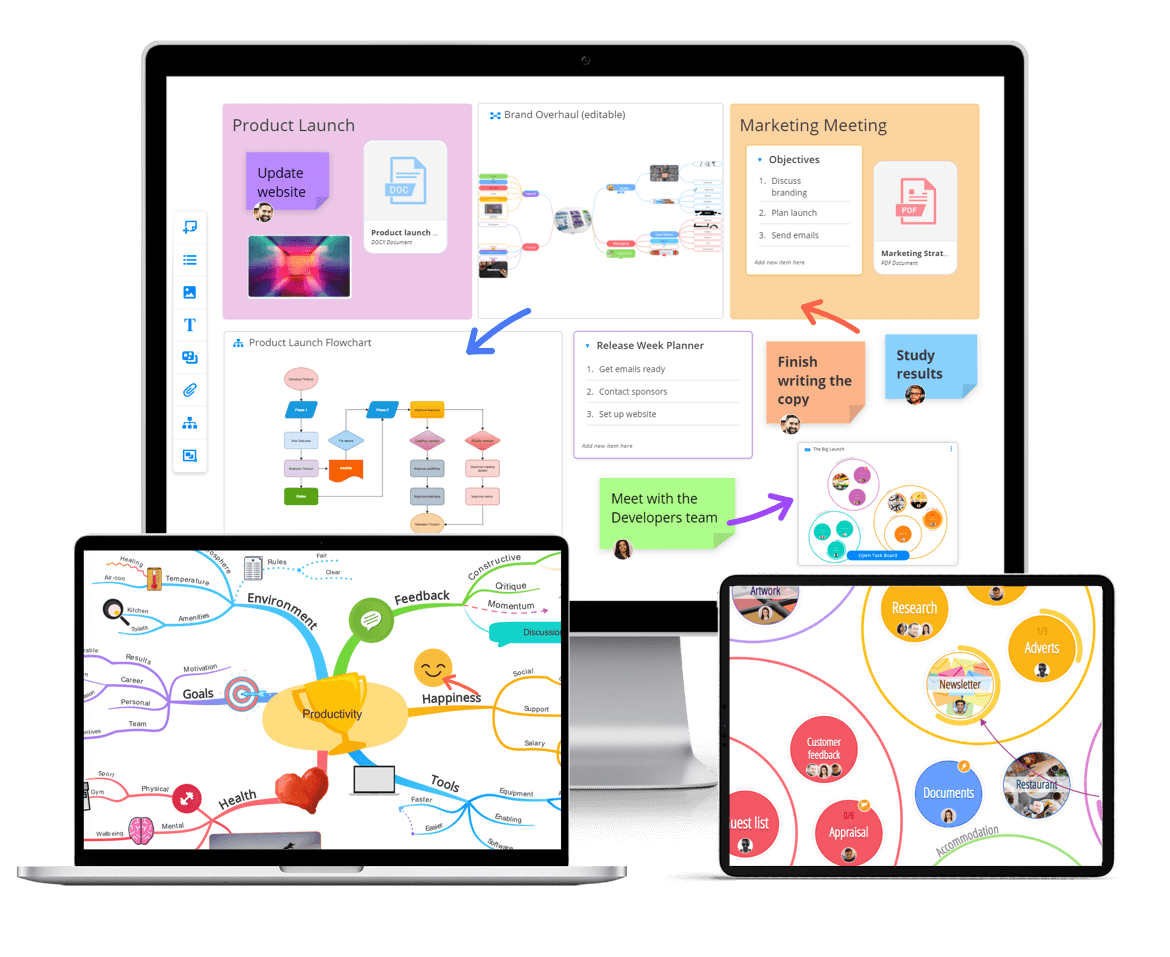
Ayoa is one of the tools commonly recommended for students with ADHD, dyslexia, autism, and other neurodivergences – and it’s worth investing a little time in before September. At its core, it’s a visual workspace that helps you think, plan, and get things done without the cognitive overload that comes from juggling multiple apps.
In practice, that might look like mind mapping an essay plan before you start writing, using a task board to break your assignment list into manageable steps, or keeping the Idea Bank open for the thoughts that arrive at inconvenient moments – the 11pm brainwave, the idea that strikes mid-walk – so nothing gets lost. The earlier you build it into how you work, the more natural it feels when the pressure is on.

A Few Things Worth Knowing Before September
Beyond getting your tools set up, a few things are worth keeping in mind as you head into your first term:
- Your university’s disability services team is there to help. They can support you with everything from reasonable adjustments to exam accommodations, and they’re used to answering questions that feel too basic to ask. Nothing is actually too basic to ask.
- Your support can be reviewed. If your needs change, or if something recommended in your assessment isn’t working for you, you can request a reassessment. DSA is designed to adapt to you, not the other way around.
- Give yourself time to adjust. Starting university is a lot for anyone. Starting university while also figuring out a new support package is more. Be patient with yourself in the first few weeks – it takes time to find your rhythm, and that’s completely normal.
You’ve Got More Support Than You Think
Getting to this point – assessed, funded, and heading into university with tools designed around how your brain works – is genuinely something to feel good about. A lot of students spend years struggling before they get the support they needed all along. You’re ahead of that curve.
DSA exists because different minds need different conditions to thrive. The tools in your support package, used well, can make a real difference to how manageable university feels throughout your degree.
September will come quickly. Get your tools set up, reach out to disability services, and give yourself a little grace as you find your feet. You’ve got this.
Ayoa for DSA
Ayoa is a DSA-approved tool supporting students with ADHD, dyslexia, autism, and other specific learning differences. Find out more about how Ayoa supports DSA students.
Learn more
Curtis Jones
Curtis Jones is a freelance marketer specialising in AT, the DSA, with a background writing in sensitive and regulated industries.